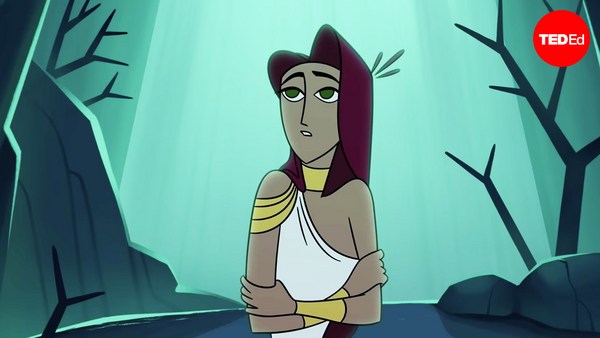
The gods watched as Oedipus’ daughter, Antigone, stole out of the palace in Thebes the morning after a devastating battle. Antigone was on a dangerous mission to do what she felt was right, though it meant risking her life.
Oedipus had been king of Thebes, and his exile sent the city into chaos. His younger son, Eteocles, claimed power for himself and sought to banish his older brother Polyneices. The two incited a bitter war, and both brothers fell at the city gates.
Oedipus’ brother-in-law, Creon, declared himself the new king, having first aligned himself with Eteocles and denounced Polyneices as a traitor. Now, he ordered that Polyneices be denied burial, leaving his body on the battleground, surrounded by guards and circled by vultures. Anyone who violated his proclamation would be stoned to death.
Antigone and her sister, Ismene, were at their uncle’s mercy. The fact that Antigone was betrothed to Creon’s son, Haemon, seemed to earn her no favor. Despite the dangers, Antigone secretly visited her sister and whispered her intentions to honor their brother through burial. In doing so, she would be defying Creon but abiding by divine law, which insisted that one must bury one's own flesh and blood. When Ismene refused to join her, insisting that girls shouldn’t disobey men, Antigone set out alone.
She knelt by Polyneices’ corpse, undetected, and began sprinkling it with dust. When the guards realized and reported the disturbance, Creon ordered them to find the man who so defiantly committed the crime.
At midday, Antigone returned to perform a more complete burial, when suddenly a thick dust storm whirled onto the plain and choked out the sky, as if conjured by the gods to aid her. Creon's guards, blinded and disoriented, didn't see as Antigone's stole into their midst and covered her brother’s body with more earth and water. As the tempest dissipated, the soldiers were shocked to see that the culprit was a girl, and the princess no less.
Creon barraged Antigone with accusations and insults. Hoping to protect her sister, Ismene confessed to the crime. But Antigone was steadfast. She insisted she’d acted alone and according to divine laws. Haemon urged his father to be reasonable and merciful. But Creon was convinced forgiving Antigone would be a critical admission of weakness. He spared Ismene, but ignored his son’s unremitting pleas.
To evade direct blame for the young princess’ death, Creon ordered a passive execution: Antigone would be shut away in an underground cave. As the guards dragged the sisters away, Ismene was filled with remorse, wishing to die by Antigone’s side. Creon maintained his show of power and Thebes fell into a fearful state of mourning.
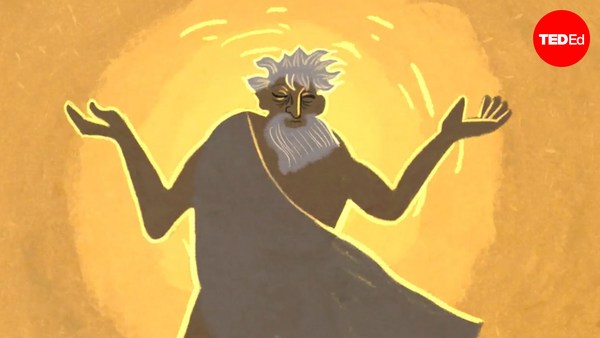
But then Creon was visited by the wise, blind prophet Tiresias. He told Creon that his hubris was polluting Thebes, and the underworld’s fiercely avenging divine Furies were lying in wait should he not yield. At last, Creon ordered his guards to free Antigone and to bury Polyneices. But he had delayed too long— and it would cost him dearly.
Haemon had just reached Antigone’s prison, determined to save her. Descending into the underground chamber, he discovered with horror his beloved fiancée hanging from her wedding veil. Moments later, when Creon entered, he was met by Haemon’s broken, hateful glare. Haemon spat in his father’s face, drew his sword, and lunged. But as Creon dodged the thrust, Haemon turned the blade upon himself and wrapped his arms around Antigone, in one last tragic embrace.
Word of Haemon and Antigone’s deaths reached Thebes before Creon’s return. And upon hearing the devastating news, the queen took her own life at an altar, cursing her husband with her dying breaths.
Failing to yield to Antigone’s righteous rebellion, Creon, in all his pride, had learned his lesson too late. Anguished, hands bloodied, and all hopes dashed, Creon’s attendants led him back into the palace.